
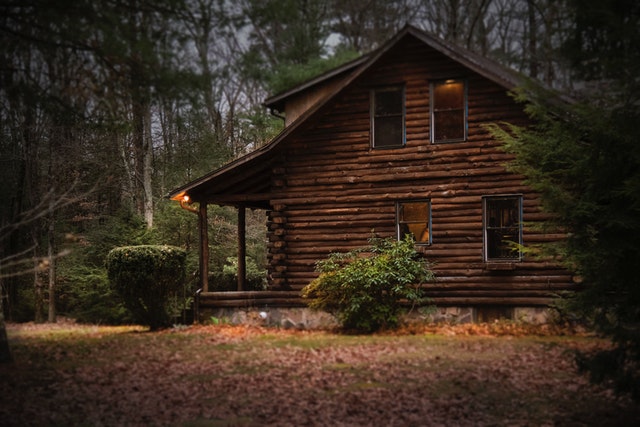
You need to know how to manage your cabin rental to start your journey to the Lone Star State. In camping, because in the past many people have put their foot in the bed during the day, they sleep with the help of a sleeping bag made with the dirt that separates you on the floor and the coffee that you can chew. Today’s cabin rental offers, such as Twain Harte Vacation Rentals, will give you an experience that will make you feel as if you were home. Here are some methods to help you choose the ideal cabin for you when you start planning your travel.
Determine What You Want Before Planning

Before you start planning, you need to know what you want and evaluate what you want from this cabin rental. Do you need equipment for cooking? Is it important to have access to a river like the Nueces or the Sabinal Frio? It might be easy for you to get exactly what you need when renting a cabin.
Check With the Locals
This time and age are suggested with access to websites, such as the one in Uvalde County, Texas, offer a wealth of information about cabin rentals, including lists of their services and contact information for such facilities. Don’t be afraid to make a selection over the phone, and you may need an update. This way, you can be sure things are obvious.
Know Your Equipment
It might be a great pleasure to buy your equipment for the trip if you don’t know how to use it, but you could use it for the journey. Give yourself some time before saying goodbye to the functions of your equipment to understand them. You may end up spending time with manuals instead of having fun.
Think About Safety
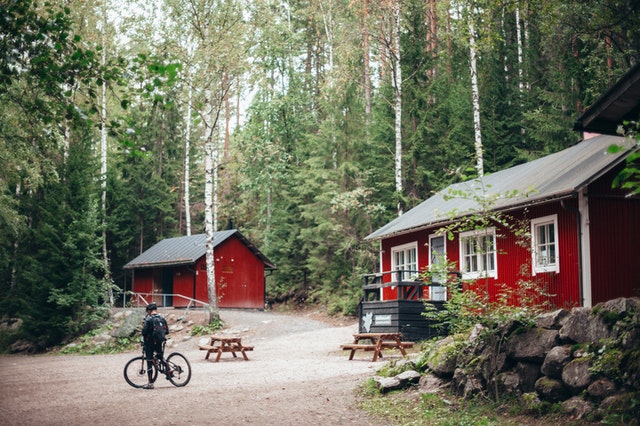
Think about the basics when you’re packing. It’s good to be on the spot. Make sure you have an extinguisher if you expect to be near a fire. Keep a list of useful tips on medications, allergies, and yourself. Destinations like Concan’s Garner State Park, TX, have a website.
It’s easier to find a rental cabin and take a trip than you think. Planning to discover attraction doesn’t have to be a job, even though Texas is a great country. If you go on an adventure from Lone Star, you bring a little common sense and will along the way.

 Does your family love a city view? Then the High Roller Observation Wheel is perfect for you. This Ferris wheel is 550 feet tall and gives riders an incredible view of the city. The best part is that it’s air-conditioned to enjoy the views even on the hottest days. You can find The High Roller Observation Wheel at The LINQ Hotel & Casino. The ticket price is $24 for adults and $12 for kids. If you want to ride this wheel, we recommend purchasing your tickets in advance.

 This incredible palace complex was once home to 24 emperors of the Ming and Qing Dynasties. It is located at the heart of Beijing and is a must-see destination for any traveler looking to get a glimpse into Chinese history. The Forbidden City consists of 980 buildings, making it the largest collection of ancient wooden structures still in existence. Tourists can explore every nook and cranny of this spectacular palace complex and get a sense of how Chinese royalty used to live all those centuries ago.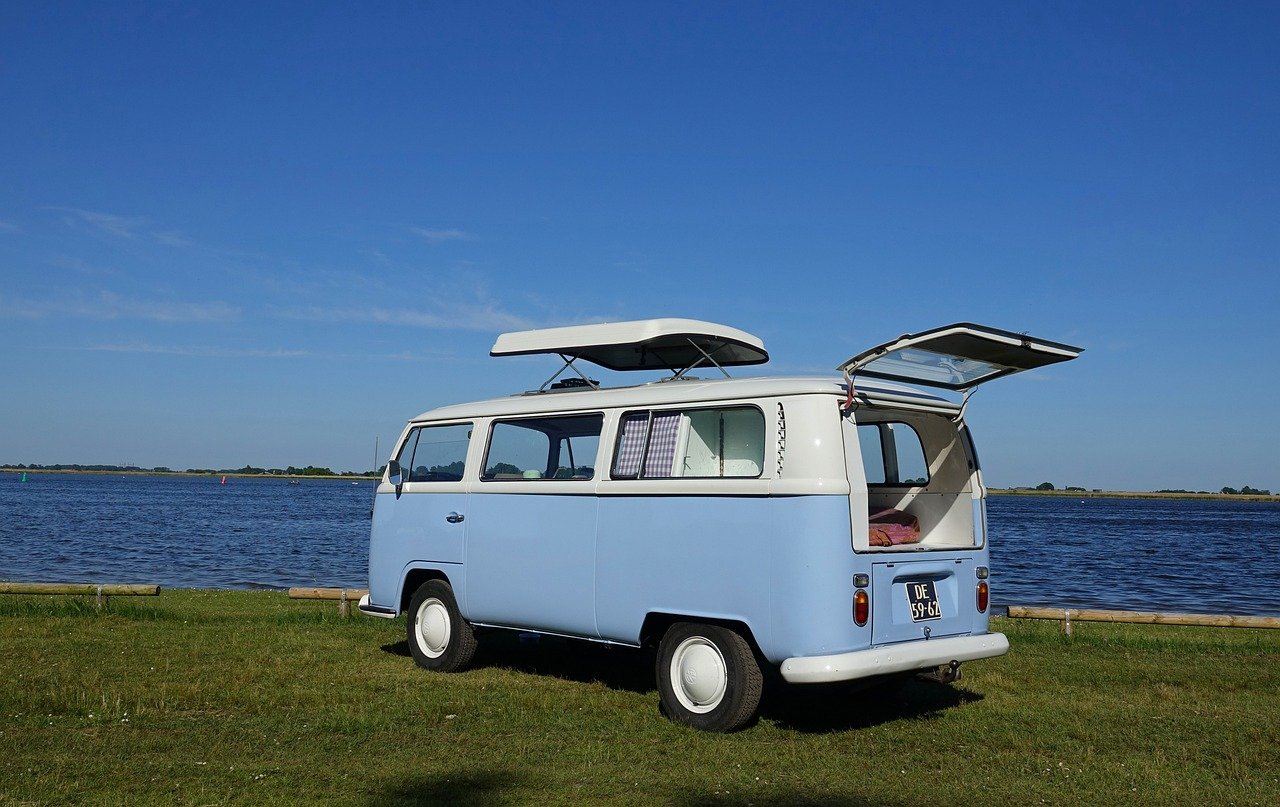
 A camper van is a highly sought after vehicle because there has been a reported growth of people with traveling as a hobby during the pandemic. The coronavirus pandemic has made people realize that they don’t like being stuck and cooped up inside their homes, and they want to explore the world and be closer to nature. Now it may not be possible because of the travel restrictions of each state, but soon it will be over, and all of those people wanting to break free will start looking for camper vans on Google. So, why not invest in them while the price is low and sell them to those people and make a massive profit in the future?
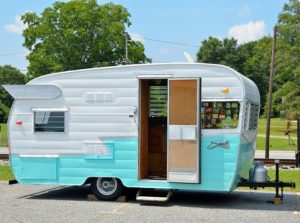 Camper vans are multifunctional because they can be converted into transporter vehicles or walking fortresses. Some people like to live outdoors because they want to see the world from a much more personal view than peering through their computer and TV screens. Some want to support their hobby, like rock climbing, diving, free running, etc. But all of them wouldn’t have their desires fulfilled if camper vans didn’t exist! The vehicle allows for them to bring their variety of gears, supplies, equipment, and partners while also being safe enough to drive, even on roadless terrains. Now that’s what you call a walking fortress!