
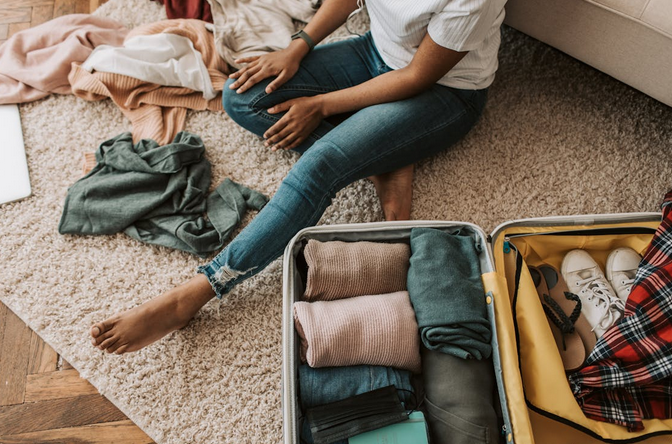
If packing for a trip makes your suitcase look like it exploded, you’re in good company. Most travelers swear they’ll pack less next time… and then cram in three “just in case” outfits anyway. The secret to packing like a pro? It starts with intention, planning, and a mindset shift. And yes, it also starts with something as simple as the travel shoe checklist.
It’s a game-changer for people who want to travel light without compromising style. Packing light doesn’t mean living out of a backpack like a monk. It means freeing yourself from the weight of overthinking. Minimalist travelers have mastered the art of smart selection—each item earns its spot.
The Right Mindset That Screams Efficiency
Minimalism in travel isn’t just about owning fewer things—it’s about choosing better ones. Before even touching your suitcase, picture what kind of trip you’re having. City hopping? Beach lounging? Hiking in misty hills? Each destination deserves a packing plan that serves a purpose over excess. It also helps to reframe packing as problem-solving. You’re not cramming stuff; you’re crafting convenience. Think of your luggage as real estate—you only invest in what pays off. If it won’t make your trip easier, more comfortable, or more fun, it stays home.
Clothing Choices That Multitask
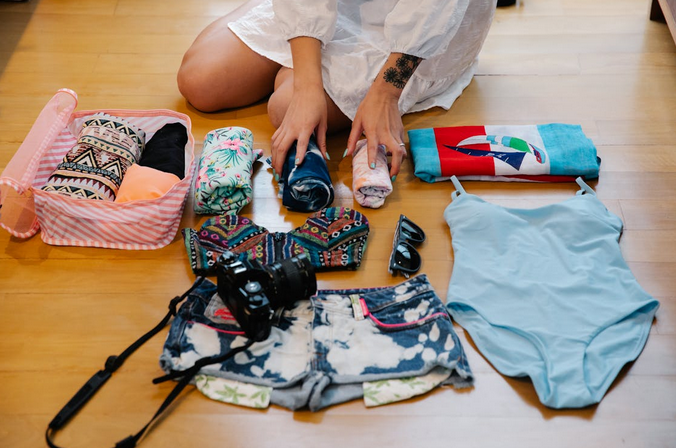
Minimalist travelers love versatility. A shirt that looks sharp at dinner but also dries overnight after a quick wash? That’s gold. Neutral colors, breathable fabrics, and layers that mix and match. Those are your secret weapons. It’s like having a tiny but mighty army of outfits. And don’t be afraid to repeat. The truth is, no one cares if you wore the same jeans twice. They’re too busy wondering why you look so unbothered hauling a single bag while they wrestle a 50-pound suitcase. Confidence is the best accessory, after all.
Travel Shoes That Pull Their Weight
Here’s the hard truth: shoes are the sneakiest space hogs in your luggage. Yet, they’re non-negotiable. The trick? Pack for practicality, not “what ifs.” A comfortable pair of sneakers, one dressier option, and maybe sandals if your trip demands them—done. See, shoes set the tone for how you travel. Choose pairs that can flex across situations: walking through cobblestone streets, dinner at a nice restaurant, or dashing through an airport terminal. The right shoes can make you feel ready for anything without stuffing half your closet into your bag.
Smart Packing That Saves Space
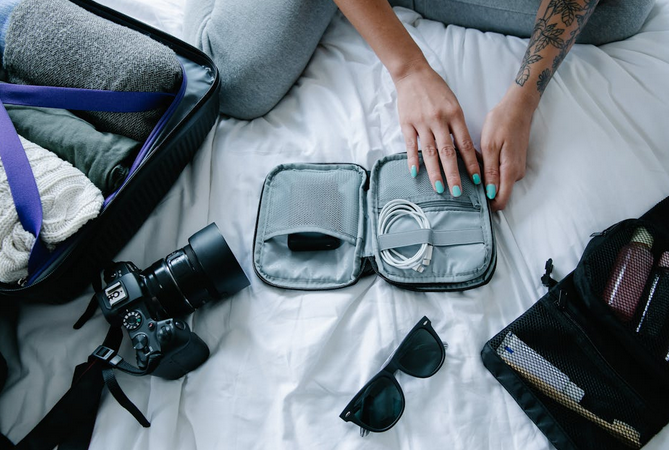
Rolling clothes instead of folding them? Still works. Using packing cubes? Absolutely. But the real trick is editing. Lay out everything you think you need, then remove a third of it. You’ll rarely miss what you left behind. In fact, you might end up wondering why you ever packed so much. Also, go digital where you can. Trade bulky books for e-readers, paper maps for apps, and toiletries for travel-sized refills. The less you carry, the more mental space you’ll have for the good stuff—like that croissant in Paris or the sunrise in Bali.
Minimalist Travel That Means Maximum Joy
The beauty of minimalist packing is how freeing it feels. There’s something deeply satisfying about breezing past baggage claim while others stand there like zombies. You start to realize that traveling light isn’t just a packing strategy, but it’s a mindset shift that spills into how you approach life.
Less stuff means fewer decisions, fewer worries, and more time to actually enjoy your adventure. So next time you’re tempted to overpack, remember: every extra item adds weight you don’t need. Keep it simple, smart, and light, just like the best travelers do.
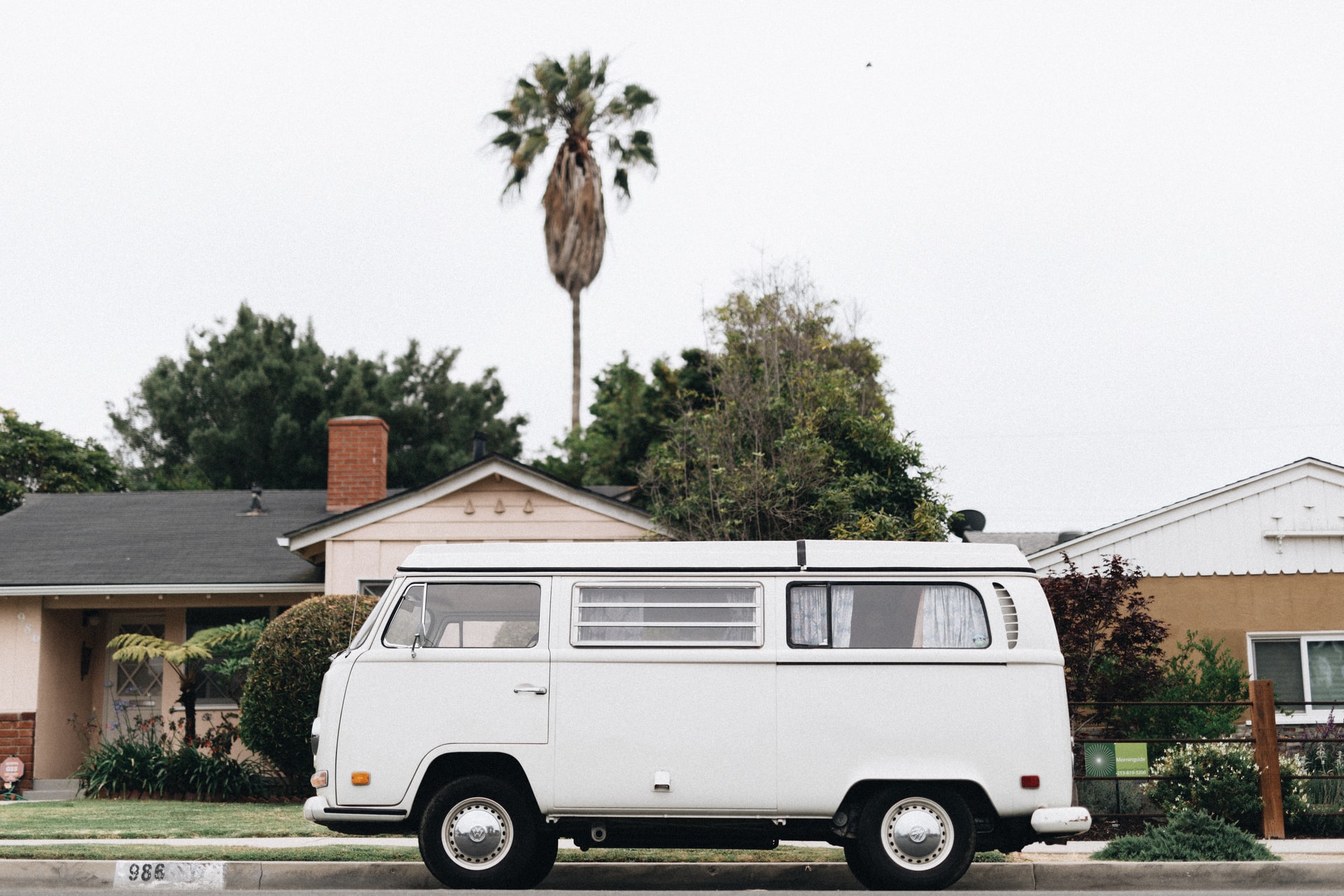
 The first thing I had to do was determine what I wanted in my new conversion van. I had the advantage of having spent twenty-five decades with the Roadtrek to know the details I would be looking for in a new van. I compared the two vehicles and made some decisions. In making my decisions, I had something I could stand that was economical and under the 8-foot height restriction that my homeowner’s association had decided upon after 10 years of owning my Roadtrek.
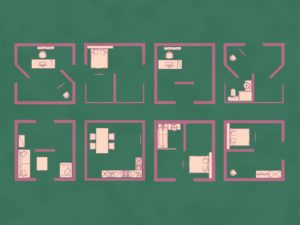 Once I had the van, I left a specific floor plan to give to the private plumber who would handle the information. As you can see in the first photo, I put blue painter’s tape on the floor and walls so I could visually determine where things were. After discussing my needs and wants with electronics, we decided on a charger/inverter along with a maintenance-free battery. Considering that the battery would be inside the van, under the mattress feet, it was critical to have one that didn’t emit gases.
 Budget-friendly accommodation in Cebu is easier than you think. While luxury resorts may catch your eye, plenty of affordable options provide comfort without compromising on quality. One popular choice among budget travellers is staying in guesthouses or hostels. These establishments offer dormitory-style rooms or private rooms at a fraction of the cost compared to hotels. Plus, they often have communal areas where you can meet fellow travellers and share tips and stories. Another option to consider is booking an Airbnb. With various affordable listings available, you can find accommodations that suit your needs and budget.
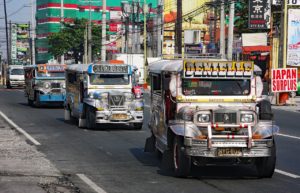 Public transportation in Cebu is not only convenient but also budget-friendly. Getting around the city and exploring its attractions can be easily done through various modes of public transportation available. Jeepneys are the most iconic form of public transport in Cebu. These colourful vehicles, initially inspired by American jeeps, are a common sight on the roads. Riding a jeepney is an experience itself – just flag one down, hop on, and pay your fare to the driver or conductor. For those looking for a more comfortable ride, taxis and Grab cars are available throughout the city. They offer convenience and privacy, especially if you travel with family or carry heavy bags.
 When you’re on a budget, finding free and low-cost attractions can make your Cebu trip even more memorable. Luckily, this beautiful island has plenty to offer without breaking the bank. One of the top free attractions in Cebu is Magellan’s Cross. Located in downtown Cebu City, this historical landmark marks where Ferdinand Magellan planted a cross upon arriving in the Philippines. It’s not only a significant piece of history but also an iconic symbol of Christianity in the country. For nature lovers, a visit to Sirao Flower Farm is a must-see. Known as the “Little Amsterdam” of Cebu, this farm boasts vibrant blooms that will brighten your day. Entrance fees are minimal, and you’ll have ample opportunities for stunning photos amidst fields of colourful flowers.
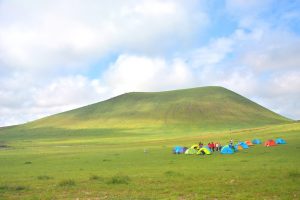 Campsites will vary proportionately, and you need to take into account the size of the grounds. Did you get a large tent? Exactly how many tents would you need to fit in a space? Will your trailer/camper fit, and can you stand in a spot where you can open up without obstructing others? Can you maneuver the trailer around the field?
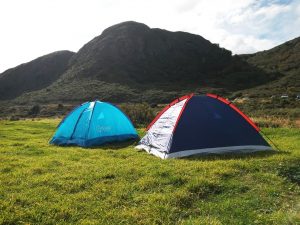 Sleeping on a mountain can cause you to slip off your mattress or cause blood to rush to your head, or maybe both. That’s why you need to find an area that is flat and comfortable for your shelter. Your legs do not need to be higher than your brain. A dull place to sleep may be impossible, so that a slight incline may be delicate, but sleep with your head near the top of the slope.